
Fake officials, including a Central Bureau of Investigation officer, a Deputy Commissioner of Police and a judge, and fear make for the perfect recipe for a digital arrest. This recipe was followed in Karnataka, leading to the digital arrest of former Aurad MLA Gundappa Vakil and him losing nearly Rs 31 lakh in eight days.
On the evening of August 12, the fraudster, claiming to be a CBI officer, contacted Gundappa Vakil and accused him of being involved in the money laundering case of businessman Naresh Goyal.

The fraudster informed Mr Vakil that the seized items included a bank account and an ATM card in his name, allegedly linked to misappropriation of funds. The fake CBI officer collected the victim’s biography and property details.The call was then transferred to a person named Neeraj Kumar, who introduced himself as Deputy Commissioner of Police and put Mr Vakil under digital arrest. The victim was instructed not to cut the call.
The next day, around 1 pm, the fraudsters produced the victim before the ‘judge’ on a video call. The ‘judge’ ordered Mr Vakil to write an undertaking that he was not guilty of fraud and ordered him to transfer Rs 10.99 lakh through Real Time Gross Settlement (RTGS) to a specified bank account.
After this, Neeraj Kumar and another officer, Sandeep Kumar, met Mr Vakil every day and collected his and his family’s bank details under the guise of investigation. A couple of days later, the MLA was once again produced before the ‘judge’ on camera, who directed him to transfer Rs 20 lakh for the Enforcement Directorate (ED) and CBI to investigate the case. The victim followed the direction after he was assured the money would be returned post verification.
When no refund came and the fraudsters disappeared, the 73-year-old realised he had been a victim of digital arrest and informed family and friends about it before registering a legal complaint on September 6.
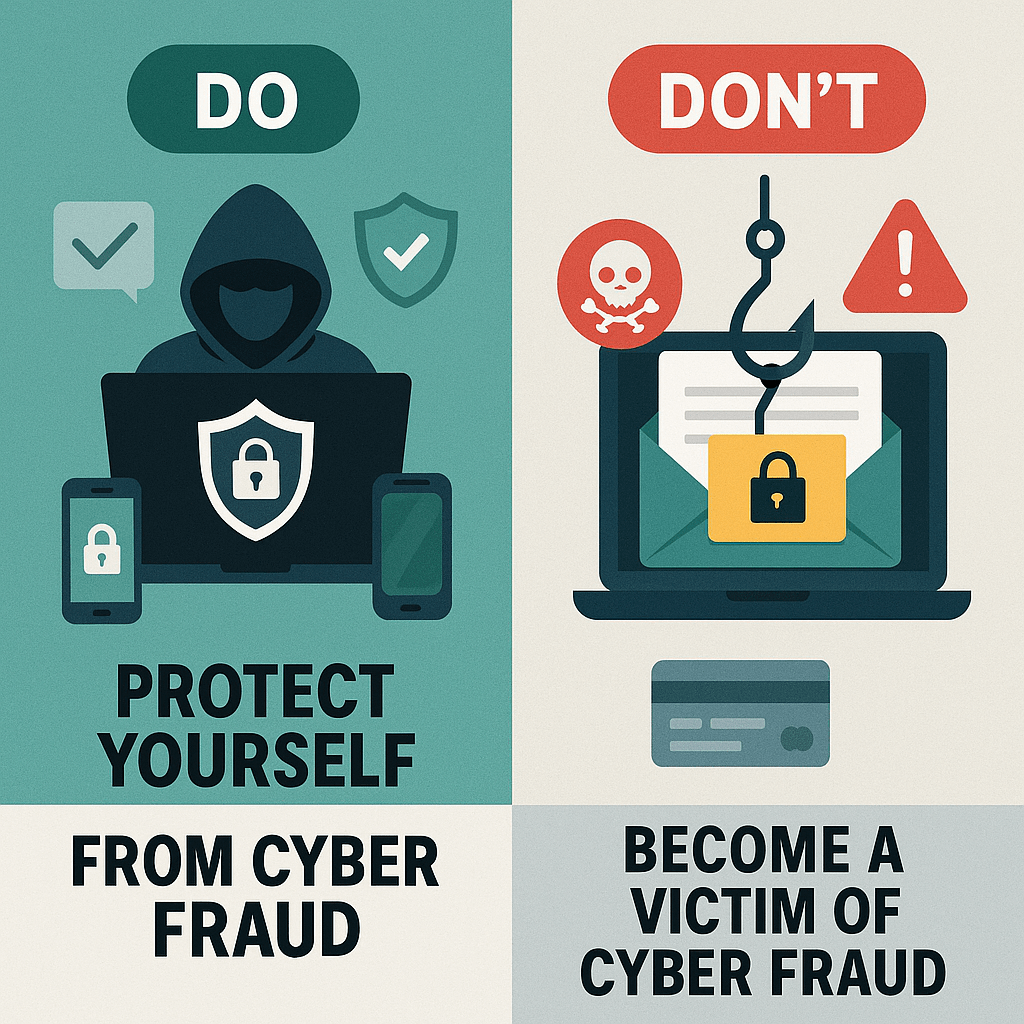
Do’s (What You Should Do)
- Use Strong Passwords
- Create unique, complex passwords with a mix of letters, numbers, and symbols.
- Use a password manager instead of reusing the same password.
- Enable Two-Factor Authentication (2FA)
- Always turn on 2FA for banking, email, and social media accounts.
- Verify Before You Trust
- Double-check sender details in emails, SMS, or calls before clicking links or sharing information.
- Contact the company directly through official numbers/websites.
- Keep Software Updated
- Regularly update your phone, computer, and apps to patch security vulnerabilities.
- Use Secure Connections
- Access sensitive accounts only over trusted Wi-Fi or VPN.
- Avoid logging in on public/shared computers.
- Report Suspicious Activity
- Immediately report fraud attempts to your bank, cybercrime portal (cybercrime.gov.in in India), or local authorities.
- Educate Yourself & Family
- Stay updated on the latest fraud trends (e.g., KYC fraud, OTP scams, investment scams).
- Teach children and elders about safe online habits.
Don’ts (What You Should Avoid)
- Don’t Share OTPs, PINs, or Passwords
- Banks and genuine companies will never ask for these.
- Don’t Click Unknown Links
- Avoid clicking on links received via SMS, WhatsApp, or email from unverified sources.
- Don’t Download Suspicious Apps or Attachments
- Many fraudsters disguise malware as bank apps, job offers, or courier updates.
- Don’t Overshare on Social Media
- Limit posting personal details like phone numbers, addresses, travel plans, or financial info.
- Don’t Rush into Financial Decisions
- Fraudsters use urgency (“last chance”, “limited offer”) to trick you. Always verify calmly.
- Don’t Ignore Red Flags
- Grammar mistakes, unofficial email IDs, or caller ID spoofing are warning signs.
- Don’t Transfer Money to Unknown Accounts
- Even if asked by someone claiming to be a friend/relative—always confirm personally.
Final thought on cyber fraud
Cyber fraudsters succeed when we act in haste or trust blindly. The simplest way to stay safe is to pause, verify, and think twice before you click or share. Technology helps, but awareness is your strongest shield.
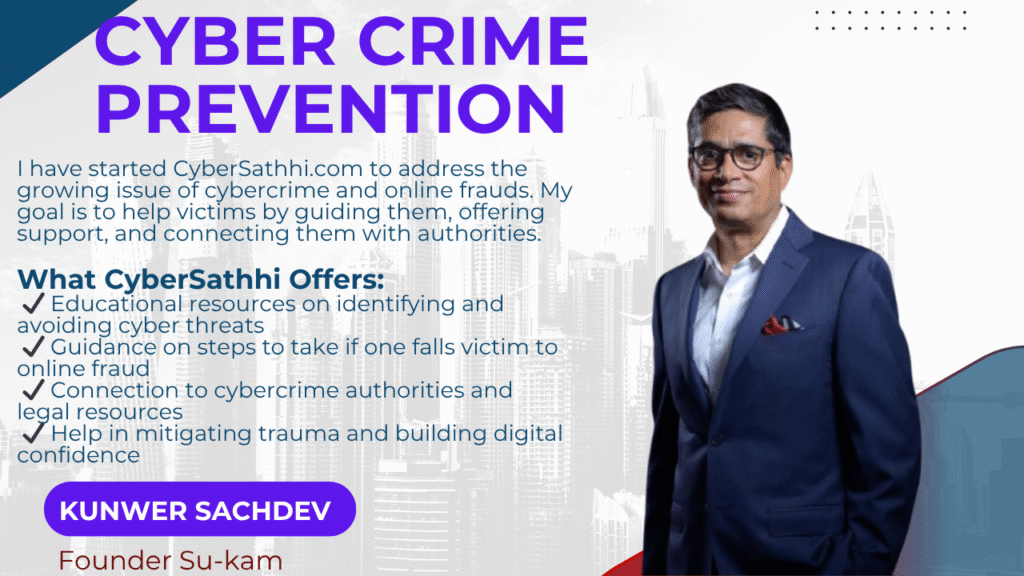
At CyberSathhi.com, we are committed to being your digital companion in the fight against online fraud—spreading knowledge, creating awareness, and guiding you to stay one step ahead of cybercriminals.
👉 Stay alert. Stay informed. Stay safe—with Cyber Sathhi by your side.
.